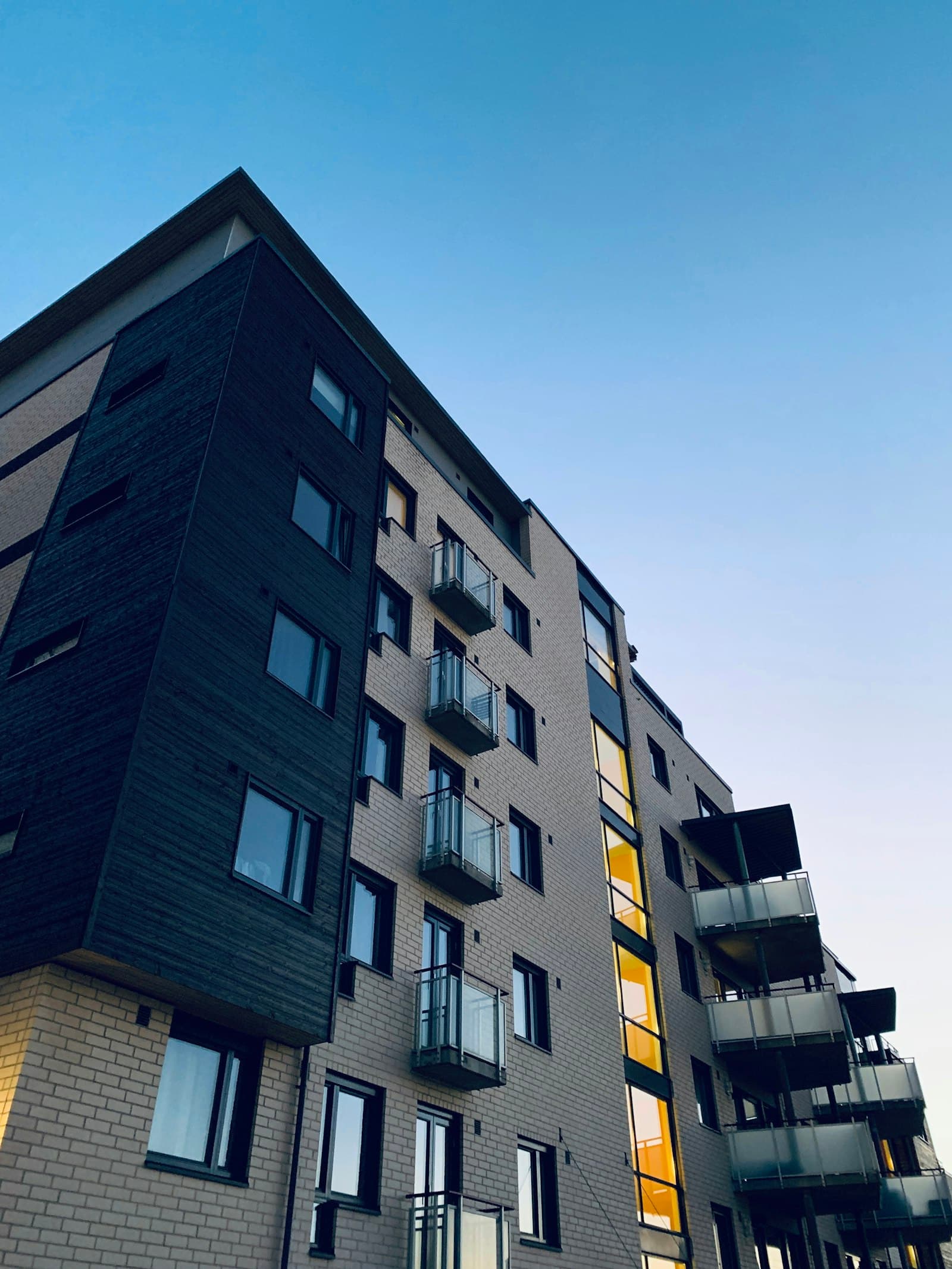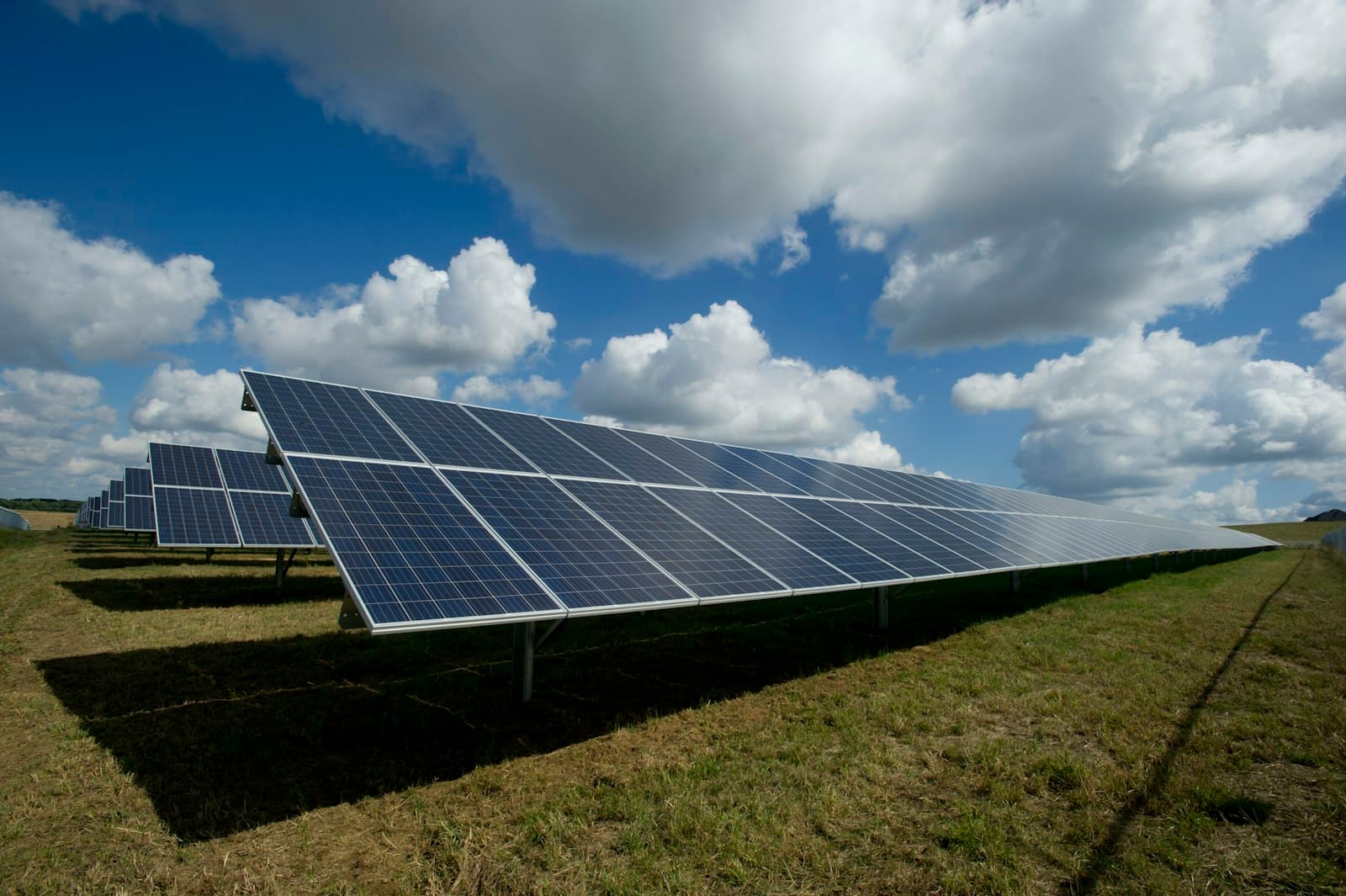
The South African home used to be sold with bedrooms, bathrooms and a nice entertainment area. Now the serious questions often happen outside: panels on the roof, batteries in the garage, tanks near the wall, a borehole controller, an inverter app, a generator plug, a fibre box and a spreadsheet of maintenance dates.
Resilience has become a property feature. A home that can ride through power cuts, water interruptions or weak connectivity feels calmer than one that depends entirely on public systems behaving perfectly. For some buyers and renters, backup infrastructure is no longer a luxury; it is part of the monthly sanity calculation.
But private utility living has costs beyond installation. Batteries age. Pumps fail. Filters need attention. Insurance must be checked. Installations require compliance paperwork. Estates and body corporates may have rules about noise, placement, drilling, aesthetics and shared systems. The more independent a home becomes, the more maintenance literacy it asks from the household.
A shiny inverter is not a plan by itself.
There is also a fairness problem. Families with capital can buy buffers against service failure. Families without capital experience the same failure directly. Over time, streets and complexes can split into those who have backup and those who carry interruption in full. Resilience becomes a private asset rather than a shared public improvement.
Before paying a premium, ask practical questions: who installed it, what paperwork exists, what is still under warranty, what it powers, what it cannot power, how water quality is tested, who maintains the system, and what monthly costs remain. A shiny inverter is not a plan by itself.
The private-utility home is understandable. It is a household response to uncertainty. But it should not make us forget the larger point: a country where everyone must build their own backup is spending money twice. Comfort at home is welcome; public reliability is still the better bargain.