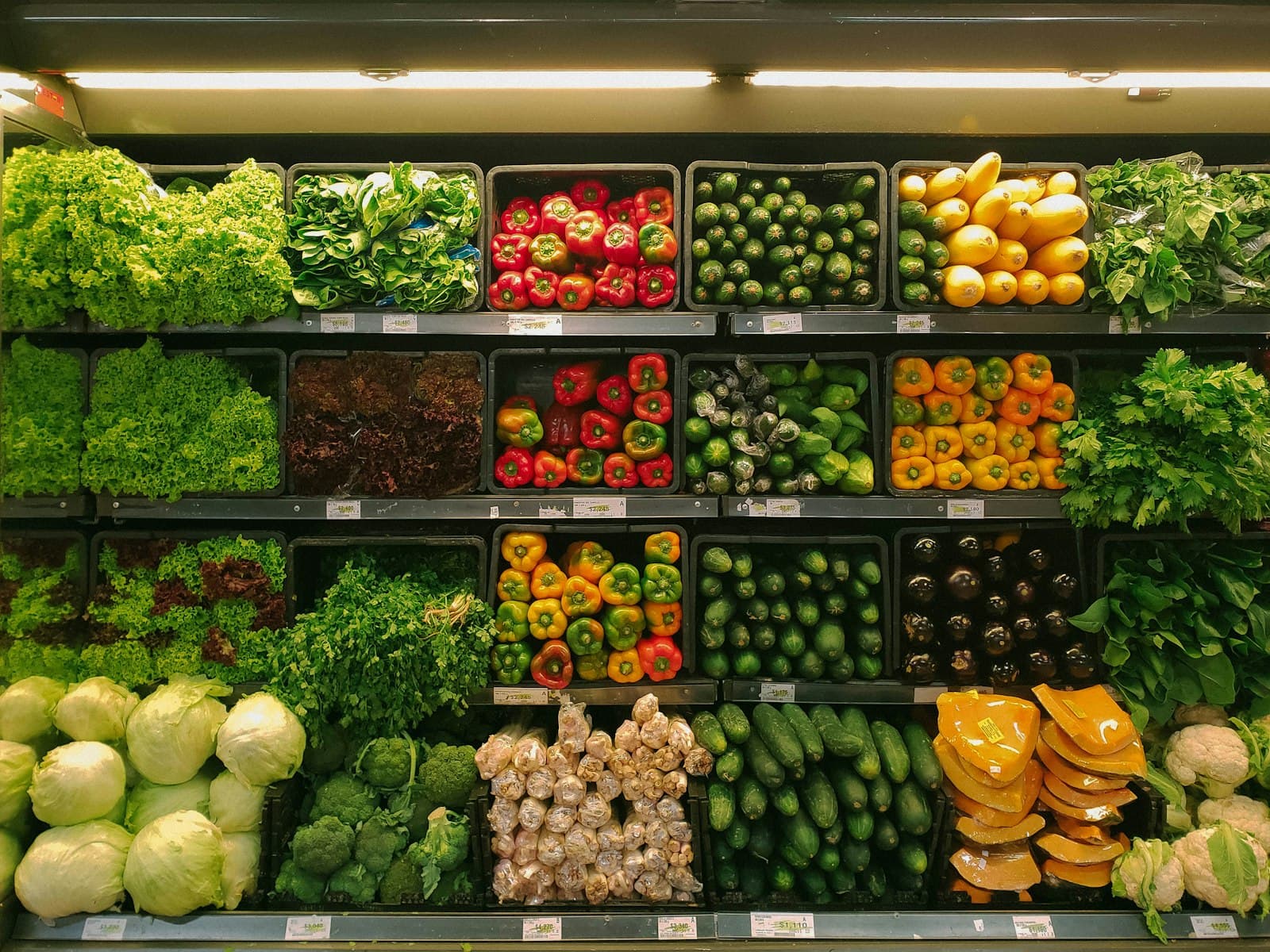
The grocery shop has become a strategy session. South Africans compare leaflets, apps, loyalty points, house brands, bulk deals, frozen shelves and the emotional risk of bringing home the wrong cereal. The trolley is no longer just a trolley. It is a monthly argument with prices, preferences and time.
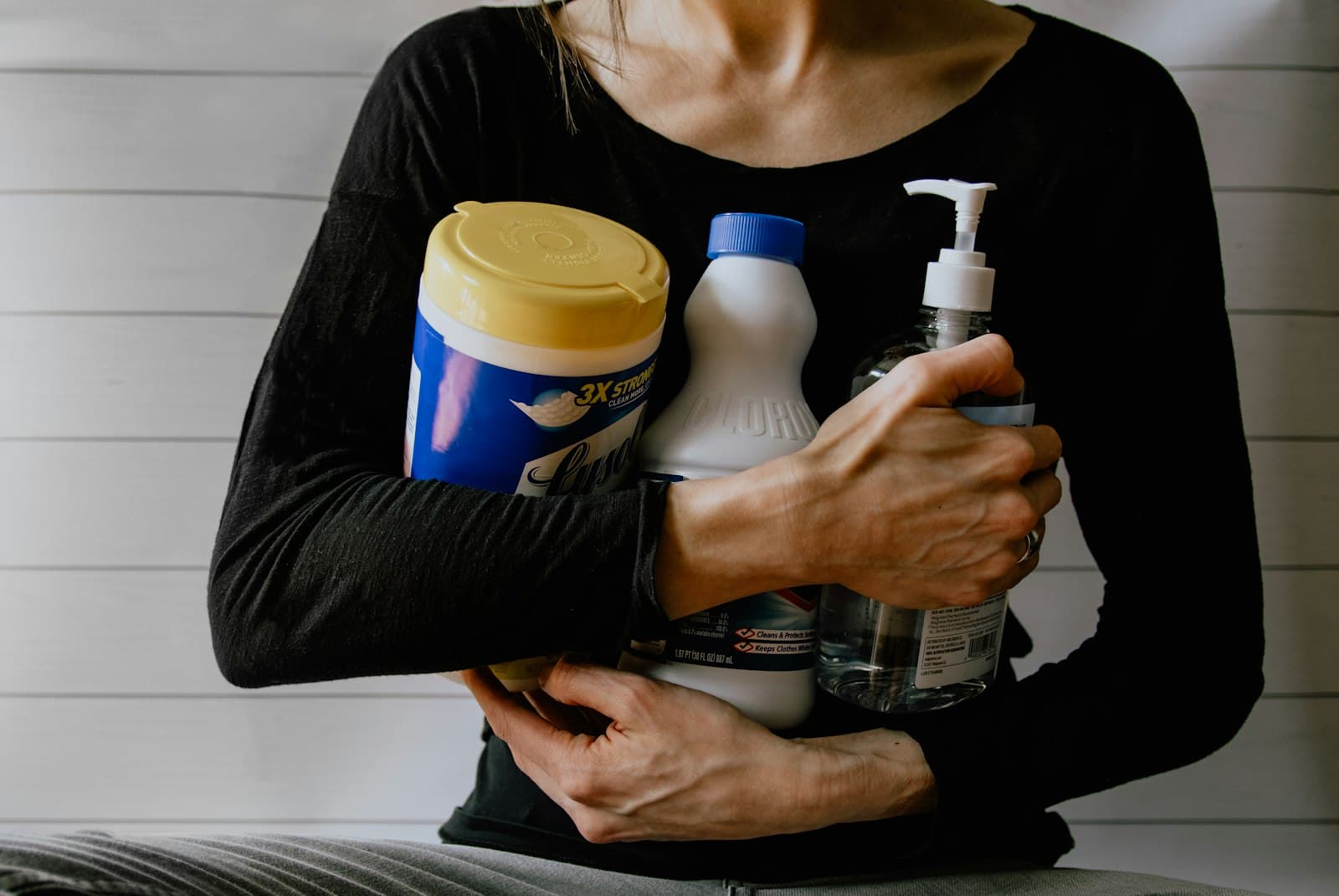
Bulk buying works when the household can store, use and protect the item before it spoils or disappears. It fails when a saving on paper becomes waste in the fridge or cash trapped in a cupboard while the household still needs bread. The best bulk buys are boring: staples, cleaning products and items with predictable use.
Specials are useful, but only if they match the meal plan. A discount on something nobody eats is not a discount. Loyalty programmes can help, but they also encourage store loyalty when another shop may be cheaper for the actual basket. The clever shopper knows when points are a bonus and when they are a leash.
A good basket feeds people. A great basket also protects the mood at home.
House brands have changed the conversation. In many homes they are no longer the embarrassing option; they are the default test. If the family accepts the swap, the saving stays. If the swap causes lunchbox rebellion, the saving becomes domestic theatre. Grocery strategy includes taste politics.
Frozen food deserves a calmer reputation. Frozen vegetables, bread, chicken portions and leftovers can reduce waste and protect weeknight meals. The issue is not fresh versus frozen as a moral argument. It is whether the food gets eaten, stretches the budget and keeps the household functioning.
The new grocery strategy is not about becoming joyless. It is about deciding where quality matters, where brand loyalty is habit, where convenience is worth paying for and where the family can change without feeling punished. A good basket feeds people. A great basket also protects the mood at home.