In many South African homes, sport is not added to the calendar. It is the calendar. A Springbok Test decides the braai time. A school match decides the Saturday route. A derby decides which tavern, lounge or cousin's house will have the better screen and the louder opinions.
Sport gives families a shared clock. It tells people when to shop, when to cook, when to leave, when to risk traffic and when not to phone someone unless it is urgent. Even people who claim not to care often know enough to ask whether the game is over before starting a serious conversation.
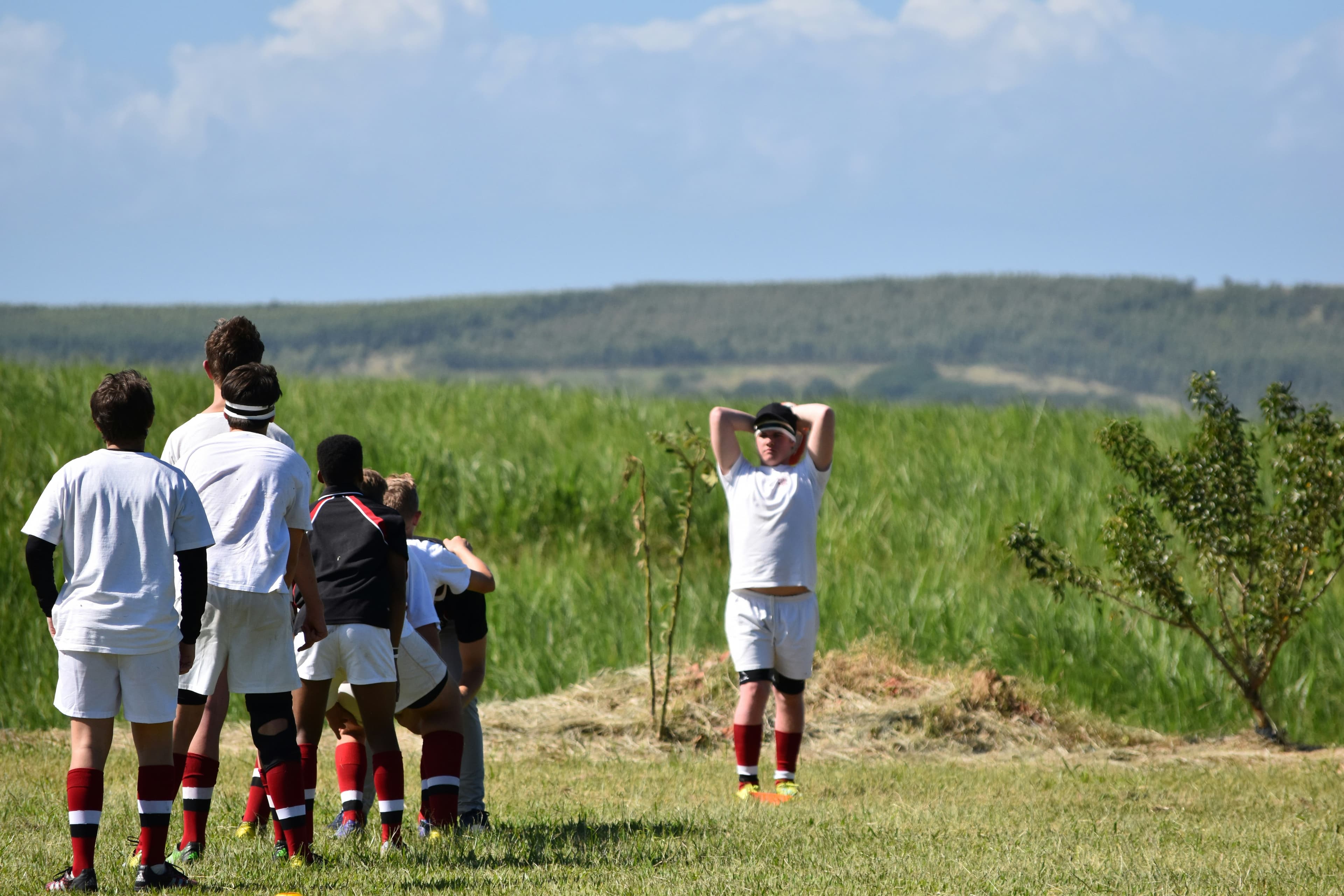
School sport may be the most demanding version. It turns parents into drivers, photographers, medics, snack managers and weather analysts. It also creates community quickly. A touchline can introduce neighbours faster than a residents' meeting because everyone is standing in the same wind pretending not to be too invested.
A touchline can introduce neighbours faster than a residents' meeting.
Professional sport carries national mood in a different way. A big win can make Monday lighter. A painful loss can turn radio phone-ins into group therapy. Sport does not fix the country, but it gives people a safe place to practise hope, complaint, expertise and belonging.
There are costs: subscriptions, transport, kit, food, time and the pressure placed on children who are supposed to enjoy themselves while adults project loudly. A healthy sports calendar leaves room for rest and remembers that family life should not become a permanent tournament logistics office.
Still, the ritual endures because it gathers people. Screens, fields, stoep chairs, cooler boxes and school gazebos become temporary public squares. In South Africa, sport is often less about ninety minutes or eighty minutes than the hours of family life arranged around them.