A demo account can sound like a small feature, but for a beginner it can change the entire emotional tone. Instead of moving from curiosity straight into a form, deposit conversation or account decision, the reader gets to look around first. That small pause matters. It says the first step can be understanding the room, not proving readiness.
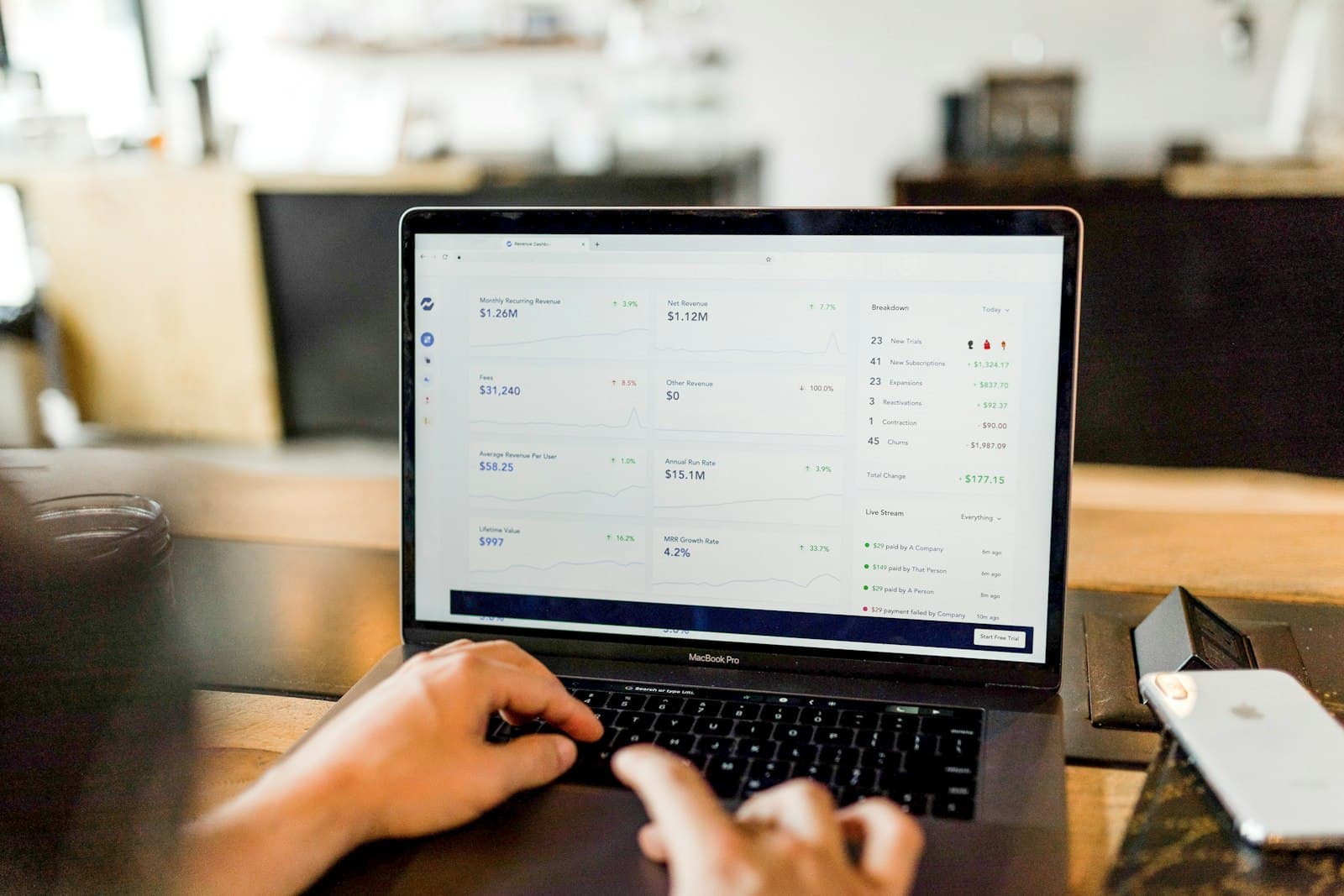
That matters because platforms are visual. A person can read about markets for weeks and still feel lost when faced with charts, product categories, order buttons, account menus and terms that appear without warning. A demo or walkthrough helps turn the unknown screen into something that can be discussed. It gives the reader language for what they are seeing.
Demo first does not mean risk disappears. It does not prove that a platform is suitable, trustworthy or easy to use with real money. It simply gives the beginner a learning layer: what does the layout look like, what terms appear, where is support, what warnings are visible and what would I need explained before doing anything else? That learning layer is valuable precisely because it separates looking from acting.
The emotional difference is important. Real money can make people rush, freeze or pretend they understand more than they do. A demo environment may reduce that pressure enough for a beginner to ask ordinary questions. What is this button? What does this category mean? What would happen if this were not a practice screen? What costs, risks or support details should I know before I go further?
Show me the room before asking me to sit down.
Many careful South Africans prefer this route because it respects their pace. They are not saying yes. They are saying: show me the room before asking me to sit down. That is a reasonable request in any financial conversation, especially in a household where money may already be assigned to rent, transport, school fees, debt, groceries or family support.
A demo can also reveal whether the explanation is beginner-friendly. If the screen is crowded, a good walkthrough should slow it down. If the terms are unfamiliar, the support person should define them. If the reader asks to repeat something, that should not be treated as resistance. Demo first only works when the process respects learning as a valid outcome, even if the reader never opens a live account.
There are limits. Demo balances can create a false sense of comfort because practice money does not feel like grocery money or rent money. A beginner may click more freely in demo mode than they would with real funds. That is why demo learning should include the question: how would this feel if the money were real, and what would make me stop? The answer matters more than a neat-looking screen.
A practical demo checklist can help. Can I find support? Can I identify product categories? Can I explain the difference between demo and live mode? Can I see costs or spreads clearly? Can I understand warnings? Can I leave the walkthrough without committing? If the reader cannot answer those questions, the demo has done its job by showing what still needs explanation.
It is also useful to compare the demo with the reader's real life. A person may be calm inside a practice screen and stressed when the same idea touches rent, groceries or transport money. That difference is not weakness. It is information. If the thought of real funds changes the reader's behaviour, the next step is not action. The next step is more learning, more comparison or a pause.
A demo can become more educational if the reader narrates what they are seeing. This is the dashboard. This is a product category. This is where support sits. This is a term I do not understand. This is where I would stop and ask. Saying it out loud, even privately, exposes gaps that a smooth interface can hide. The point is not to perform confidence. The point is to notice confusion early.
The reader should also ask what happens after demo mode. Is there a separate live environment? What changes when real money is involved? Are warnings repeated? Is support still available? Can the person continue learning without moving forward? A calm answer to those questions helps keep demo mode in its proper place: useful for understanding, not proof of readiness.
It can help to take notes after the demo instead of during the most interesting moment. What did I understand without help? What needed explaining twice? Which terms still feel vague? Which part made me feel curious, and which part made me feel pressured? Those notes make the demo useful even if the reader chooses not to continue. They turn a screen tour into a learning record for later comparison.
Demo first is not a promise that the next step is safe. It is a way to reduce mystery before any next step is considered. The reader remains free to compare, ask someone independent, save questions for later or decide that the topic is not right for them now. That freedom is part of the value.
If a platform or callback process cannot explain demo options calmly, that is useful information too. A beginner's curiosity should not have to arrive with a commitment attached. Looking around first is not weakness. It is often the healthiest way to turn a vague online money topic into something the reader can understand, question and, if necessary, leave alone.