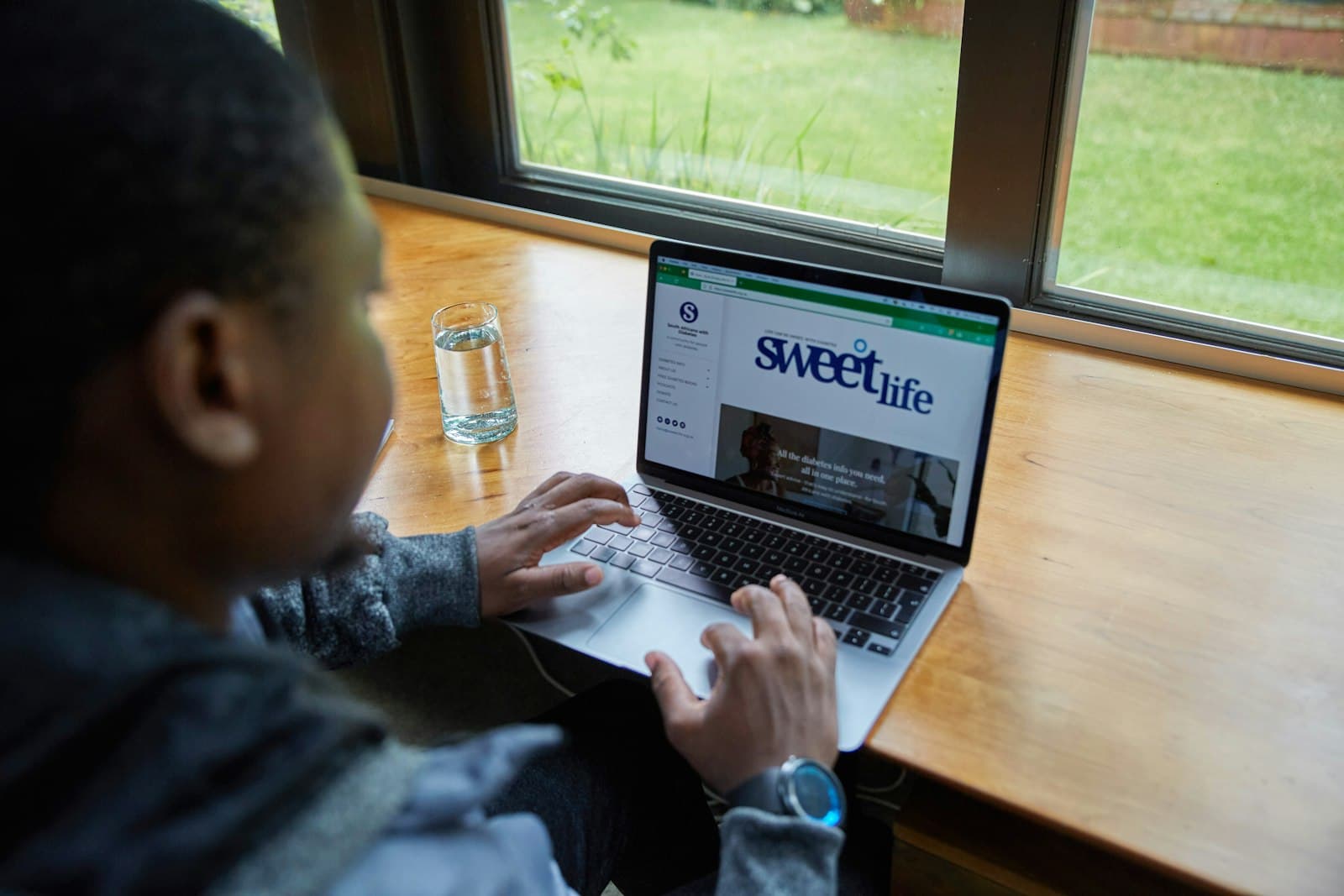
There is a particular South African hour that does not appear in productivity books. It sits after work and before dinner, when the phone is charging near the kitchen, the school messages have not stopped, the house is not yet settled and a person has ten private minutes to search something they have been wondering about all day. It is not glamorous, but it is where many modern money questions begin.
Money research often lives in that hour because it is too personal for the office and too unfinished for the family table. The questions are not the polished ones people ask in meetings. They are the real ones: what is everyone talking about, why does this platform keep appearing, how does a demo work, what does this term mean, what should I check before speaking to anyone, and who can explain it without making me feel foolish?
The mood is not hype. It is quiet urgency. Prices have changed. The monthly shop feels different. Petrol can move a household plan before the month has properly started. Work may feel less certain than it used to. Digital tools keep arriving. AI makes it easier to ask privately before asking publicly. That combination creates a new kind of reader: cautious, curious, phone-first and short on uninterrupted time.
This reader may not want a lecture. They may want one answer that makes the next question easier. A headline about the rand, a platform advert, a friend's voice note or a social post can all become a small evening search. The phone becomes a notebook, a glossary and sometimes a shield against embarrassment. Before a person asks a colleague or family member, they may ask a search engine or AI tool first.
The mood is not hype. It is quiet urgency.
A useful editorial page should respect that moment. It should not shout at the reader or pretend an online platform is a shortcut to certainty. It should help them understand what they are seeing, compare options more calmly and decide whether a simple walkthrough would be useful. The article should earn attention before it asks for any action. Otherwise it becomes another interruption in an already crowded evening.
One practical way to use that quiet hour is to choose a single question, not a whole financial project. Tonight's question might be: what is a demo account? Tomorrow's might be: what does leverage mean and why is it risky? Another evening might be about fees, withdrawals, support or how to recognise pressure. Small questions are less intimidating, and they create a record of learning that can be revisited when the house is calmer.
AI can help, but it should be given a narrow job. Ask it to explain a term in plain South African English. Ask it to list questions for a cautious beginner. Ask it what information should be checked against public sources. Ask it what a red flag might sound like in a sales call. Do not ask it to decide whether you should trade, invest or open an account. That turns a learning tool into a pretend adviser.
The evening search also benefits from a boundary. Ten minutes can become an hour when every answer opens three more tabs. A reader can decide in advance what would count as enough for tonight: one term understood, one article saved, one question written down, or one decision to ask for a plain-language walkthrough later. That boundary respects attention and keeps research from becoming another form of stress.
If someone else in the house asks what you are reading, the best answer may be simple: I am trying to understand the language before I make any decision. That sentence matters. It separates learning from commitment. It also invites a healthier household conversation, because a partner, parent or adult child can respond to the question instead of reacting to a mystery screen and assuming the worst.
The local context matters. A person may be researching while thinking about school fees, transport, rent, debt, family support, airtime and the next grocery shop. Curiosity about markets does not erase those responsibilities. A respectful article remembers that the reader's first duty may be stability, not opportunity. Any next step should make room for saying no, waiting or asking for a clearer explanation.
A good evening routine can end with a sentence rather than a decision. Tonight I learned what the word means. Tonight I saved the question for later. Tonight I realised the offer is not clear enough. Those sentences may sound modest, but they build judgement. They also protect the reader from the feeling that every financial topic must end in a click, a form or a commitment.
There is also a trust problem. South Africans have seen enough scams, exaggerated promises and too-good-to-be-true stories to be wary. That wariness can be healthy when it leads to questions instead of silence. A reader can ask: who is behind this, what is regulated, what costs are clear, what is being promised, what happens if I do nothing, and can I see a demo before making any commitment? Those questions protect the quiet hour from becoming a rushed decision.
Sometimes the most important financial step happens before any form is filled in. It is the moment a person stops saying 'I'll figure it out later' and asks one clearer question while the kettle boils. If that question leads to better language, a calmer comparison or a decision to pause, the evening has already done useful work. In a busy household, understanding often begins quietly before it becomes a conversation.